


Wallpaper can completely change the look and feel of an interior space. From a bold accent wall in a living room to an elegant wallcovering in a hotel lobby, the finished appearance depends on much more than simply attaching wallpaper to a wall. Proper wall preparation, accurate measurements, pattern matching, adhesive selection, panel alignment, and careful finishing all play an important role.
That is why many homeowners, interior designers, property owners, and businesses choose professional wallpaper installation for projects where appearance and attention to detail matter. An experienced installer understands how different wallpaper materials behave, how wall conditions affect the installation process, and how to address common challenges before they become visible problems.
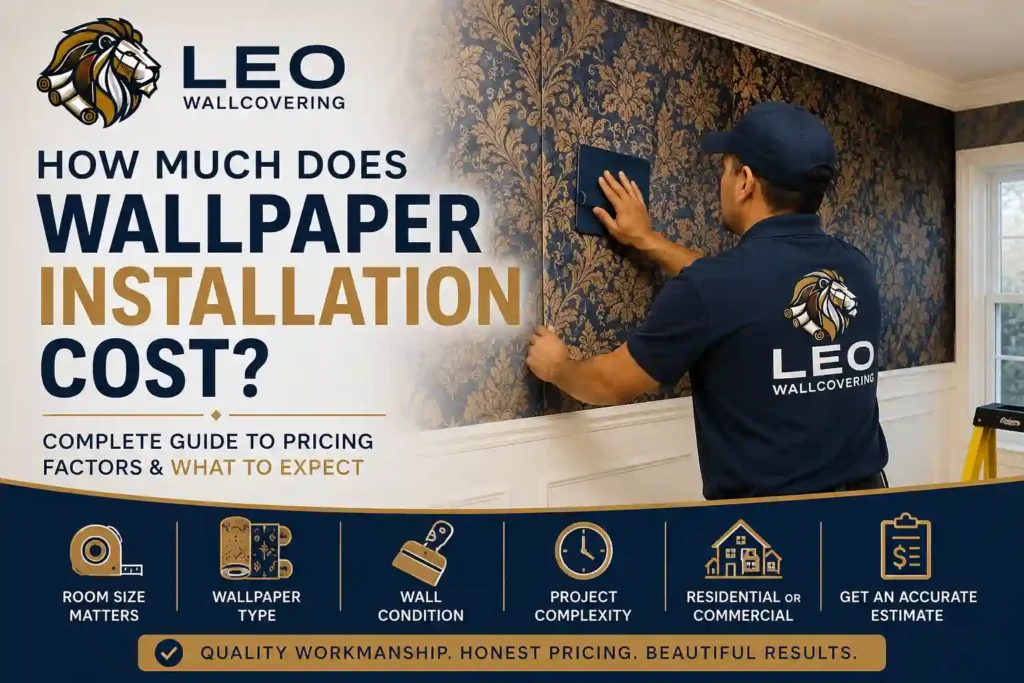
This complete guide explains what professional wallpaper installation involves, how the process works, which wallpaper materials may require specialized handling, and what to consider when choosing a professional wallpaper installer.
What Is Professional Wallpaper Installation?
Professional wallpaper installation is the process of preparing interior walls and applying wallpaper or wallcovering using appropriate tools, techniques, measurements, adhesives, and installation methods.
A professional installation involves much more than placing wallpaper panels onto a wall. Before the wallpaper application begins, the installer typically evaluates the wall surface, checks measurements, considers the wallpaper material and pattern repeat, and determines whether wall preparation or primer is necessary.
Depending on the project, professional wallcovering installation may involve:
- Measuring walls and calculating wallpaper requirements
- Inspecting drywall, painted walls, and other surfaces
- Repairing holes, cracks, and surface imperfections
- Smoothing uneven or textured walls
- Removing existing wallpaper when necessary
- Applying primer or other recommended wall treatments
- Planning panel placement and pattern alignment
- Applying wallpaper adhesive correctly
- Matching wallpaper seams and patterns
- Trimming around ceilings, baseboards, windows, doors, and fixtures
- Inspecting the finished installation for alignment and visible imperfections
Professional workmanship is particularly valuable when working with expensive materials, large wall murals, detailed patterns, grasscloth wallpaper, commercial interiors, or walls with unusual shapes and obstacles.
For projects requiring experienced installation, explore professional wallpaper installation services designed for different types of residential and commercial interiors.
Why Hire a Professional Wallpaper Installer?
Hiring a professional wallpaper installer can help address the technical and practical details involved in wallpaper application. While some wallpaper products are designed for DIY installation, other materials and projects require more planning and precision.
Proper Wall Preparation
Wallpaper is installed directly over the condition of the wall beneath it. Small imperfections that may not be noticeable with paint can become more visible after wallpaper is applied.
A professional installer evaluates the wall surface and may recommend cleaning, repairs, smoothing, or priming before installation.
Proper preparation can involve:
- Removing dust, grease, and debris
- Filling nail holes and cracks
- Repairing damaged drywall
- Sanding uneven areas
- Addressing loose paint
- Removing old wallpaper
- Checking for moisture-related concerns
Professional wall preparation services can be especially important when walls are damaged, uneven, previously wallpapered, or heavily textured.
Accurate Measurements
Accurate wall measurements are essential for planning a wallpaper installation. The installer must consider more than the height and width of a room.
Measurements may also need to account for:
- Windows and doors
- Built-in shelving
- Corners
- Architectural features
- Ceiling height
- Pattern repeat
- Wallpaper panel width
- Material waste needed for pattern matching
Incorrect measurements can lead to ordering too little material or creating unnecessary waste.
Pattern Matching and Alignment
Pattern matching is one of the most visible aspects of wallpaper installation. Floral designs, geometric patterns, stripes, murals, and other repeating designs need to align correctly from one wallpaper panel to the next.
Even a small alignment error can become noticeable across an entire wall.
Professional installers plan the layout before beginning and consider:
- Pattern repeat
- Starting points
- Focal areas
- Corners
- Ceiling lines
- Door and window openings
- Wallpaper seams
This planning is particularly important for custom wallpaper and large-format wall murals.
Professional Tools and Techniques
Wallpaper installation requires specialized installation tools that help with measuring, cutting, smoothing, trimming, and alignment.
Depending on the wallpaper material, a professional may use:
- Measuring tools
- Levels or alignment tools
- Smoothing tools
- Wallpaper brushes
- Cutting tools
- Seam rollers when appropriate
- Adhesive application tools
The correct technique can vary depending on whether the wallpaper requires pasted walls, pasted backing, pre-pasted activation, or another installation method.
Clean Seams and Finishing
Wallpaper seams are where individual wallpaper panels meet. Poor seam alignment can create visible gaps, overlapping edges, or inconsistent patterns.
Professional wallpaper hanging services focus on positioning panels accurately and creating a clean finished appearance.
Finishing also involves careful trimming around:
- Baseboards
- Crown molding
- Windows
- Doors
- Electrical outlets
- Light switches
- Built-in features
Handling Different Wallpaper Materials
Not all wallpaper materials behave the same way during installation.
A professional wallpaper installer may work with:
- Traditional wallpaper
- Vinyl wallpaper
- Non-woven wallpaper
- Grasscloth
- Textured wallpaper
- Custom printed wallpaper
- Peel-and-stick wallpaper
- Wall murals
Each material may have different manufacturer instructions, adhesive requirements, handling considerations, and seam expectations.
The Professional Wallpaper Installation Process
Although every project is different, the wallpaper installation process generally follows several important stages.
Step 1: Inspecting and Measuring the Walls
The process usually begins with an inspection of the walls.
The installer evaluates:
- Wall dimensions
- Surface condition
- Existing paint or wallcovering
- Texture
- Cracks and holes
- Moisture concerns
- Architectural features
Measurements help determine the number of wallpaper panels required and allow the installer to plan the layout.
Step 2: Preparing the Wall Surface
The wall surface should be clean and suitable for wallpaper application.
Dust, grease, loose paint, or other contaminants can interfere with adhesion. Depending on the condition of the wall, preparation may involve cleaning and making minor adjustments before installation.
Step 3: Repairing Wall Imperfections
Cracks, nail holes, dents, damaged drywall, and uneven areas may become more noticeable underneath wallpaper.
The installer may repair these imperfections and smooth the surface before continuing.
This is particularly important for wallpaper with a smooth or reflective finish because imperfections beneath the wallcovering may remain visible.
Step 4: Priming the Walls When Necessary
Primer may be recommended depending on the wall surface and the wallpaper manufacturer’s installation requirements.
Priming can help create a more consistent surface for installation and may assist with future wallpaper removal, depending on the products being used.
The appropriate primer and preparation method should always be compatible with the wall surface and wallpaper material.
Step 5: Planning the Wallpaper Layout
Before installing the first panel, the installer plans the layout.
This can include determining:
- Where installation should begin
- How patterns will align
- Where seams will fall
- How the wallpaper will appear around doors and windows
- How to minimize awkward pattern cuts in visible areas
Careful planning is particularly important for an accent wall or feature wall where the wallpaper design is intended to become a focal point.
Step 6: Applying Wallpaper Adhesive
Wallpaper adhesive should be applied according to the material and manufacturer’s instructions.
Different products may require:
- Adhesive applied to the wall
- Adhesive applied to the wallpaper backing
- Activation of pre-pasted wallpaper
- A specific adhesive formulated for the wallcovering material
Using the wrong adhesive or applying too much or too little can contribute to installation problems.
Step 7: Installing and Aligning Wallpaper Panels
Each wallpaper panel must be positioned carefully.
The first panel is especially important because it establishes the alignment for the panels that follow.
The installer checks vertical alignment and smooths the wallpaper while working to avoid wrinkles and trapped air.
Step 8: Matching Patterns and Seams
The next panels are installed while carefully matching the wallpaper pattern.
Depending on the wallpaper design, this may involve adjusting the placement of each panel to align the pattern repeat.
Wallpaper seams should be positioned according to the product’s installation requirements and handled carefully to maintain the intended appearance.
Step 9: Trimming and Finishing
After installation, excess material is trimmed around edges and architectural features.
Careful trimming may be required around:
- Ceilings
- Baseboards
- Doors
- Windows
- Electrical fixtures
- Corners
Projects involving overhead surfaces may require specialized planning and techniques. Ceiling wallpaper installation can involve additional considerations because of access, gravity, alignment, and surface conditions.
Step 10: Final Inspection
Once installation is complete, the finished wallcovering is inspected.
The installer may check for:
- Pattern alignment
- Wallpaper seams
- Air bubbles
- Wrinkles
- Edge adhesion
- Trim quality
- Visible surface imperfections
A final inspection helps identify details that may need attention before the project is considered complete.
Types of Wallpaper That Require Professional Installation
Different wallpaper materials have different installation characteristics. Some products are relatively straightforward, while others require greater experience and attention to detail.
Traditional Wallpaper
Traditional wallpaper may involve adhesive application, booking requirements, pattern matching, and careful seam alignment.
Complex patterns can increase the level of planning required.
Vinyl Wallpaper
Vinyl wallpaper is commonly used in both residential and commercial interiors because different vinyl products may offer durability and cleanability characteristics.
Installation requirements depend on the specific product, backing material, wall surface, and manufacturer instructions.
Non-Woven Wallpaper
Non-woven wallpaper is popular because many products are designed with specific installation and removal characteristics.
Some non-woven wallcoverings use paste-the-wall installation methods, but professional installation can still be beneficial when walls require preparation or the pattern is complex.
Grasscloth Wallpaper
Grasscloth is a natural wallcovering that can have variations in color, texture, and appearance.
Seams may have a different visual character than those found in printed wallpaper, and material variations can be part of the product’s natural appearance.
Because of its unique handling requirements, many property owners choose experienced grasscloth wallpaper installation services for these projects.
Textured Wallpaper
Textured wallpaper can add dimension to an interior wall but may require careful surface preparation and handling.
The installer needs to consider how the material responds to cutting, smoothing, adhesive, and seam treatment.
Custom Printed Wallpaper
Custom wallpaper installation often requires careful measurements before production.
Because replacement material may not be immediately available, accuracy during installation is particularly important.
Wall Murals
A wall mural often consists of numbered or sequential panels that create one large image.
A small alignment issue can affect the appearance of the entire mural. Professional custom wall mural installation can be especially useful for large designs, detailed artwork, and feature walls.
Can Wallpaper Be Installed on Any Wall?
Wallpaper can be installed on many types of interior walls, but the condition of the wall matters.
Painted Walls
Wallpaper can often be installed over painted walls when the surface is clean, stable, smooth, and properly prepared.
Loose or peeling paint should be addressed before installation.
Drywall
Drywall is commonly used in residential and commercial properties. However, damaged drywall, exposed joints, holes, or uneven repairs may require preparation.
Textured Walls
Textured walls can create challenges because the texture may remain visible beneath certain wallpaper materials.
Depending on the wallpaper and desired appearance, the surface may need to be smoothed before installation.
Uneven Walls
Uneven walls can affect wallpaper alignment and make seams more difficult to manage.
Surface preparation and careful planning are important when walls have noticeable imperfections.
Previously Wallpapered Walls
Installing new wallpaper over existing wallpaper is not always appropriate. The condition, adhesion, texture, and compatibility of the existing wallcovering should be evaluated.
In many cases, removing old wallpaper and preparing the wall provides a more predictable surface for the new installation.
Why Wall Preparation Matters Before Wallpaper Installation
Wall preparation is one of the most important parts of a successful wallpaper project.
Even high-quality wallpaper may not achieve the intended appearance if the underlying wall surface is poorly prepared.
Preparation can include:
- Cleaning the surface
- Repairing holes and cracks
- Smoothing uneven surfaces
- Removing old wallpaper
- Applying primer when appropriate
- Addressing moisture concerns before installation
Cleaning the Surface
Dust, grease, and residue can interfere with wallpaper adhesive. The wall should be properly cleaned before installation.
Repairing Holes and Cracks
Small imperfections may become more noticeable after wallpaper application, particularly under smooth wallpaper.
Smoothing Uneven Surfaces
Textured or uneven walls may need additional preparation depending on the wallpaper material.
Removing Old Wallpaper
Old wallpaper can create an unstable or uneven surface. Removal may be necessary before installing new wallcovering.
Priming When Appropriate
The right primer can help prepare the wall for the specific wallpaper system being installed.
Addressing Moisture Issues
Wallpaper should not be used to cover an unresolved moisture problem.
If moisture, leaks, or mold-related concerns are present, the underlying issue should be evaluated and addressed before wallpaper installation.
Common Problems With DIY Wallpaper Installation
DIY wallpaper installation can be a practical option for some products and projects. However, first-time installers may encounter challenges, especially with expensive materials or complex patterns.
Common issues include:
Misaligned Patterns
Pattern alignment can become progressively more noticeable if the first panel is not installed accurately.
Visible Seams
Gaps, overlaps, or uneven panel placement can make wallpaper seams more noticeable.
Air Bubbles
Trapped air can create bubbles beneath the wallpaper if the material is not applied and smoothed correctly.
Wrinkles
Wallpaper can wrinkle when handling, adhesive application, or smoothing techniques are not appropriate for the material.
Peeling Edges
Peeling edges may result from surface contamination, unsuitable adhesive, inadequate preparation, or other installation issues.
Uneven Panels
Panels that are not properly aligned can affect the appearance of the entire wall.
Incorrect Measurements
Incorrect wall measurements can lead to insufficient wallpaper material or problems with pattern planning.
Damaged Wallpaper
Wallpaper can be damaged through incorrect cutting, handling, adhesive application, or attempts to reposition material.
Adhesive Problems
Using the wrong adhesive or failing to follow manufacturer recommendations can create installation challenges.
For simple peel-and-stick projects, DIY installation may be manageable. For high-value wallpaper, large rooms, murals, complex patterns, or natural materials, expert wallpaper installation may provide additional value.
Residential Wallpaper Installation
Residential wallpaper installation can add personality and visual interest to nearly any room.
Wallpaper can be used throughout a home, including:
- Living rooms
- Bedrooms
- Dining rooms
- Entryways
- Hallways
- Bathrooms
- Home offices
A feature wall can create a focal point without covering an entire room. Wallpaper may also be used to complement furniture, lighting, flooring, and other interior design elements.
Residential wallpaper services can include everything from a single accent wall to wallpaper installation throughout multiple rooms.
An accent wall installation project can be particularly effective in bedrooms, dining rooms, entryways, and living spaces where one wall is intended to stand out.
Bathrooms require additional consideration because moisture levels and ventilation can affect material selection and wall conditions. The wallpaper manufacturer should be consulted regarding suitability for humid environments.
Commercial Wallpaper Installation
Commercial wallpaper installation can help create distinctive and cohesive interior spaces for businesses and property owners.
Wallcovering may be used in:
- Offices
- Hotels
- Restaurants
- Retail stores
- Salons
- Healthcare facilities
- Commercial buildings
Commercial interiors may require additional planning because of larger wall areas, scheduling requirements, accessibility, business operations, and material specifications.
A professional wallpaper installation company working on commercial projects may coordinate installation around:
- Business hours
- Occupied spaces
- Interior renovation schedules
- Large wall surfaces
- Multiple rooms
- Architectural features
For businesses and commercial property owners, commercial wallpaper installation services can help address the specific requirements of commercial interiors.
How Long Does Professional Wallpaper Installation Take?
The time required for professional wallpaper installation varies from project to project.
Important factors include:
- Room size
- Wall condition
- Wallpaper material
- Pattern complexity
- Number of walls
- Wall preparation requirements
- Existing wallpaper removal
- Architectural features
- Accessibility
A small accent wall with a simple wallpaper design may require substantially less work than multiple rooms with detailed patterns and significant wall preparation.
Grasscloth, wall murals, custom printed wallpaper, and complex pattern repeats may also require additional planning and careful installation.
Rather than relying on a standard timeline, it is usually best to have the specific project evaluated based on the actual walls, material, and scope of work.
How Much Does Professional Wallpaper Installation Cost?
The cost of wallpaper installation services depends on the individual project.
Important pricing factors may include:
- Total wall size
- Number of rooms
- Wallpaper material
- Wall preparation requirements
- Wallpaper removal
- Pattern complexity
- Ceiling height
- Accessibility
- Number of doors and windows
- Residential or commercial project requirements
For example, a straightforward installation on smooth, prepared walls may involve a different amount of labor than a project requiring wallpaper removal, drywall repair, extensive surface preparation, or complex pattern matching.
Custom murals and specialty wallcoverings may also require additional planning.
When comparing estimates from a wallpaper installation contractor, it can be helpful to understand what is included in the scope of work, particularly regarding preparation, wallpaper removal, materials, and finishing details.
How to Choose the Right Professional Wallpaper Installer
Choosing the right professional wallpaper installer can make an important difference in the planning and execution of the project.
Consider the following factors.
Experience
Ask about the installer’s experience with wallpaper and wallcovering projects.
Experience can be particularly important when working with expensive materials, detailed patterns, murals, or specialty wallcoverings.
Portfolio
Review previous work when available.
A portfolio can provide insight into the installer’s experience with:
- Patterned wallpaper
- Accent walls
- Wall murals
- Commercial interiors
- Residential interiors
- Specialty wallcovering
Experience With Specific Wallpaper Materials
Not every installer has the same level of experience with every material.
If you are installing grasscloth, vinyl wallpaper, textured wallpaper, or a custom mural, ask whether the installer has experience with that specific product type.
Wall Preparation Knowledge
A good installation begins before the wallpaper is applied.
Ask how the installer evaluates wall conditions and handles issues such as texture, cracks, uneven surfaces, old wallpaper, or painted walls.
Commercial or Residential Experience
The requirements of a residential project can differ from those of a commercial property.
Choose an installer whose experience aligns with your project.
Communication
Clear communication is important before installation begins.
The installer should be able to discuss:
- Wall conditions
- Material requirements
- Preparation needs
- Project scope
- Potential challenges
Project Estimates
Request a clear estimate that explains the scope of the work.
Understanding what is included can help avoid confusion regarding preparation, wallpaper removal, accessibility, or additional wall repairs.
Attention to Detail
Wallpaper installation is highly visual. Details such as pattern alignment, seams, trimming, and finishing can significantly affect the final appearance.
When searching online for a wallpaper installer near me, look beyond proximity alone and consider experience, portfolio quality, communication, and familiarity with your specific wallpaper material.
Professional Wallpaper Installation vs DIY: Which Is Right for You?
Both professional and DIY wallpaper installation can be appropriate depending on the project.
DIY installation may be suitable when:
- The wallpaper is specifically designed for easy installation
- The wall is smooth and in good condition
- The project involves a small area
- The pattern is simple
- You are comfortable measuring, cutting, and following installation instructions
Professional installation may be particularly valuable when:
- Wallpaper is expensive or difficult to replace
- The design has a complex pattern repeat
- The project involves a large wall mural
- The walls are textured or uneven
- Significant wall preparation is required
- The project includes multiple rooms
- The wallpaper material requires specialized handling
- The installation is part of a commercial interior project
The right choice depends on your experience, the wall condition, the wallpaper material, and the importance of the finished appearance.
DIY installation is not inherently unsuitable, but some projects have a smaller margin for error and may benefit from professional workmanship.
How to Maintain Wallpaper After Installation
Proper maintenance can help preserve the appearance of wallpaper after installation.
Follow Manufacturer Recommendations
Different wallpaper materials have different cleaning and maintenance requirements.
Always follow the manufacturer’s recommendations for the specific product.
Clean Carefully
Some wallpaper can be gently cleaned, while others may be more sensitive to moisture or cleaning products.
Avoid using harsh chemicals unless they are specifically recommended for the material.
Avoid Excessive Moisture
Excessive moisture can affect certain wallpaper materials and adhesives.
Address plumbing leaks, condensation, and other moisture concerns promptly.
Check Seams
Periodically inspect wallpaper seams and edges for changes.
If an issue develops, addressing it early may help prevent additional damage.
Prevent Physical Damage
Avoid scraping wallpaper with furniture or sharp objects.
Take extra care when moving furniture near walls with textured or delicate wallcoverings.
Frequently Asked Questions About Professional Wallpaper Installation
Is professional wallpaper installation worth it?
Professional wallpaper installation may be worth considering when the project involves expensive materials, complex patterns, large wall areas, specialty wallcoverings, or walls that require preparation. The value depends on the project requirements, your installation experience, and the importance of achieving a precise finished appearance.
How long does wallpaper installation take?
Installation time depends on the size of the project, wall condition, wallpaper material, pattern complexity, number of walls, and preparation requirements. A project should be evaluated individually rather than assuming every wallpaper installation follows the same timeline.
Do walls need to be prepared before wallpaper installation?
In many cases, yes. Walls may need cleaning, repairs, smoothing, old wallpaper removal, or priming depending on the existing surface and wallpaper manufacturer’s requirements.
Can wallpaper be installed on textured walls?
It depends on the wallpaper material and the amount of texture. Heavy texture may remain visible beneath wallpaper or affect adhesion. In some cases, smoothing the wall before installation may be recommended.
Can wallpaper be installed over painted walls?
Wallpaper can often be installed over painted walls if the paint is stable and the surface is clean, smooth, and properly prepared. Loose or peeling paint and significant surface imperfections should be addressed first.
What types of wallpaper are hardest to install?
Installation difficulty varies by product and project. Materials such as grasscloth, detailed patterned wallpaper, textured wallcovering, and large wall murals may require additional precision and experience.
How long does professionally installed wallpaper last?
Wallpaper durability depends on the material, wall condition, adhesive system, environmental conditions, maintenance, and general wear. Following manufacturer recommendations and maintaining the wallcovering appropriately can help preserve its appearance.
Should I hire a professional wallpaper installer?
Consider hiring a professional wallpaper installer if you are working with specialty materials, expensive wallpaper, complicated patterns, wall murals, commercial spaces, or walls requiring extensive preparation. A professional can also be helpful if you prefer assistance with measurements, layout planning, and installation.
Final Thoughts
Professional wallpaper installation combines preparation, planning, technical knowledge, and attention to visual details. A successful installation starts with evaluating the wall surface and continues through accurate measurements, proper layout planning, adhesive application, pattern alignment, seam management, trimming, and final inspection.
The right installation approach depends on the wallpaper material, wall condition, room design, and project scope. Whether you are updating a single feature wall, installing a custom wall mural, renovating several rooms, or improving a commercial interior, careful preparation can make a significant difference in the finished appearance.
If you are considering a wallpaper project and want help evaluating your walls, wallpaper material, or installation requirements, speaking with an experienced professional wallpaper installation specialist can help you better understand the appropriate approach for your space.